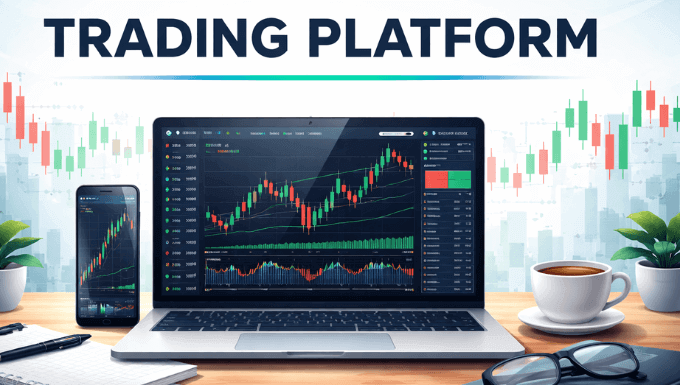
A trading platform is the software that connects traders to financial markets, allowing them to analyze prices, place trades, and manage risk efficiently. Whether you are new to trading or already active in the markets, understanding how a trading platform works is essential for making informed decisions and improving your overall trading experience.
This guide explains what a trading platform is, how it functions, the different types available, and how to choose the right one for your goals. It is written to help beginners build confidence while still offering depth for experienced traders.
Click Here To Join our Telegram Community
What Is a Trading Platform?
A trading platform is a digital system that allows users to buy and sell financial instruments such as forex, stocks, indices, commodities, or cryptocurrencies. It acts as the bridge between the trader and the financial markets, displaying real-time prices and executing trades on the user’s behalf.
Most platforms are provided by brokers or financial institutions, though some are independent and connect to multiple brokers. A well-designed trading platform combines speed, reliability, and analytical tools to support effective decision-making.
How a Trading Platform Works
A trading platform works by connecting the trader to a broker’s trading infrastructure. When a trade is placed, the platform sends the order to the broker, which then routes it to the market or liquidity provider.
Behind the scenes, the platform handles several important functions, including:
- Displaying live market prices and charts
- Executing buy and sell orders
- Managing account balances and open positions
- Providing tools for analysis and risk control
The quality of a platform can directly affect trade execution speed, accuracy, and overall trading performance.
Types of Trading Platforms
Different trading styles require different tools, which is why trading platforms come in several forms.
Desktop Trading Platforms
Desktop platforms are installed directly on a computer and usually offer advanced features and customization. They are preferred by active and professional traders who rely on detailed analysis and fast execution.
Web-Based Trading Platforms
Web platforms run directly in a browser without installation. They are convenient for traders who want quick access from any device, though they may offer fewer advanced tools compared to desktop versions.
Mobile Trading Apps
Mobile platforms allow traders to monitor markets and manage trades on smartphones or tablets. They are ideal for staying connected on the go, though they may have simplified interfaces compared to desktop versions.
Key Features of a Good Trading Platform
A reliable trading platform should combine usability with powerful functionality. The most important features typically include:
User-Friendly Interface
A clean and intuitive layout helps traders focus on decision-making rather than navigating complex menus. Clear charts and easy order placement improve overall efficiency.
Charting and Technical Analysis Tools
Most traders rely on indicators, drawing tools, and multiple chart types to analyze price movements. A strong platform provides flexible chart customization and real-time data.
Order Types and Execution
Quality platforms support various order types such as market, limit, and stop orders. Fast and accurate execution is essential, especially during volatile market conditions.
Security and Reliability
A trustworthy trading platform uses encryption, secure login methods, and stable infrastructure to protect user funds and data. Platform downtime or security issues can directly affect trading outcomes.
Account Management Features
Access to transaction history, balance details, and performance tracking helps traders manage their accounts more effectively and stay informed about their activity.
Popular Trading Platforms in the Market
Several trading platforms have gained global recognition due to their reliability and features. While each has its strengths, the best choice depends on individual needs.
Commonly used platforms include:
- MetaTrader 4 (MT4) for forex-focused trading
- MetaTrader 5 (MT5) for multi-asset trading
- cTrader for advanced order execution and transparency
- Proprietary broker platforms are designed for simplicity and ease of use
Each platform offers a different balance between functionality, ease of use, and customization.
How to Choose the Right Trading Platform
Choosing the right trading platform depends on your trading goals, experience level, and preferred markets. Beginners often benefit from platforms with simple interfaces and educational support, while advanced traders may prioritize technical tools and execution speed.
When comparing platforms, consider factors such as:
- Ease of use and learning curve
- Available markets and instruments
- Platform stability and speed
- Costs, spreads, and commissions
- Customer support and educational resources
Testing a platform through a demo account can also help determine whether it suits your trading style.
Common Mistakes to Avoid When Using a Trading Platform
Many traders focus too much on tools and overlook basic discipline. One common mistake is overloading the platform with indicators, which can create confusion rather than clarity. Another issue is ignoring risk management features such as stop-loss and take-profit settings.
Traders should also avoid choosing a platform solely based on popularity. What works for one trader may not suit another, especially when trading goals and experience levels differ.
The Role of Trading Platforms in Long-Term Success
A trading platform is not just a tool; it is the environment in which every trading decision takes place. A reliable and well-suited platform can improve efficiency, reduce errors, and support better decision-making over time.
By understanding how trading platforms work and selecting one that aligns with your goals, you create a stronger foundation for consistent and informed trading.
Final Thoughts
A trading platform plays a central role in modern trading, acting as the gateway between traders and financial markets. Choosing the right one requires understanding your needs, evaluating available features, and prioritizing reliability and ease of use.
With the right platform and a disciplined approach, traders can focus less on technical obstacles and more on developing effective strategies and long-term confidence in the markets.