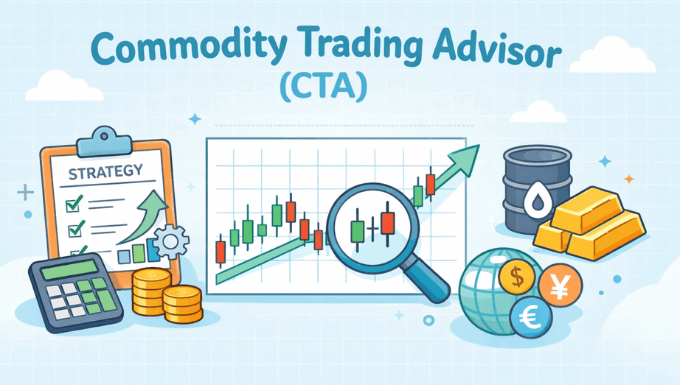
A Commodity Trading Advisor (CTA) is a professional or firm that provides trading advice or manages portfolios involving futures, options on futures, and other derivatives. In the first interaction most investors have with this term, it often appears shortened as CTA, especially in hedge fund and managed futures discussions. Understanding what a CTA does, how they operate, and where they fit in a diversified portfolio is essential for anyone exploring commodities or alternative investments.
This guide explains the CTA concept in clear, practical language while offering enough depth for experienced market participants. The goal is to help you understand both the opportunities and the limitations of CTA-based trading and investing.
What Is a Commodity Trading Advisor (CTA)?
A Commodity Trading Advisor is an individual or organization registered to give professional advice on trading commodity futures, options, and related instruments. In many cases, CTAs do not simply give advice; they directly manage client accounts or pooled investment vehicles using systematic or discretionary strategies.
Unlike stock-focused advisors, CTAs operate mainly in the derivatives markets. These markets allow exposure to commodities such as gold, oil, and agricultural products, as well as financial futures linked to currencies, interest rates, and stock indices.
What Does a CTA Do in Practice?
The role of a CTA goes beyond offering trade ideas or market commentary. Most CTAs are actively involved in portfolio construction, risk management, and execution.
In practice, a CTA typically:
- Designs a trading strategy based on rules, models, or discretionary judgment
- Executes trades in futures and options markets
- Manages risk using position sizing, stop-loss rules, and diversification
- Reports performance and risk metrics to investors
Some CTAs work with individual client accounts, while others manage collective investment vehicles such as managed futures funds.
CTA vs Hedge Fund: Understanding the Difference
Although CTAs are often mentioned alongside hedge funds, the two are not the same. The distinction matters for both regulatory and investment reasons.
A CTA is defined by the type of instruments traded and the regulatory framework governing them. Hedge funds, on the other hand, are defined more by structure and investor access than by trading instruments. A hedge fund may trade equities, bonds, derivatives, or commodities, while a CTA is specifically focused on futures and related contracts.
Another important difference is transparency. Many CTA strategies, especially systematic ones, offer clearer rules and more frequent performance reporting than traditional hedge funds.
Common CTA Trading Strategies Explained
CTA strategies vary widely, but most fall into a few well-established categories. Each approach has different risk characteristics and performs differently across market conditions.
Trend-Following Strategies
Trend-following is the most widely known CTA approach. It aims to capture sustained price movements across multiple markets by buying assets in uptrends and selling those in downtrends.
These strategies rely on price data rather than forecasts. They often perform well during strong market trends but can struggle during sideways or choppy conditions.
Systematic and Quantitative Models
Many CTAs use computer-driven models to make trading decisions. These models apply predefined rules to price, volatility, and volume data.
Systematic strategies reduce emotional bias and allow consistent execution. They also make it easier to test and refine strategies using historical data.
Discretionary CTA Approaches
Discretionary CTAs rely more on human judgment than fixed algorithms. They may incorporate macroeconomic analysis, supply-and-demand factors, or market sentiment.
This approach offers flexibility but depends heavily on the skill and discipline of the individual manager.
Markets Traded by Commodity Trading Advisors
Despite the name, CTAs trade far more than physical commodities. Their investment universe is broad and diversified.
Typical markets include:
- Energy commodities such as crude oil and natural gas
- Metals like gold, silver, and copper
- Agricultural products including, wheat, corn, and soybeans
- Financial futures on stock indices, interest rates, and currencies
This wide market exposure is one reason CTAs are often used for diversification.
How CTAs Are Regulated
Regulation is a defining feature of legitimate CTA operations. In the United States, CTAs must register with the unless they qualify for a specific exemption. Most are also members of the, which enforces compliance and ethical standards.
This regulatory oversight helps protect investors by requiring disclosures, audits, and adherence to strict conduct rules. It also distinguishes professional CTAs from unregulated signal sellers or informal advisors.
Benefits of Investing With a CTA
CTA-based investing offers several potential advantages when used appropriately. These benefits are not guaranteed, but they explain why institutional investors often allocate capital to managed futures strategies.
One key benefit is diversification. CTA returns often show low correlation with traditional stock and bond markets, especially during periods of market stress.
Another advantage is the ability to profit in both rising and falling markets. Because CTAs can go long or short, they are not dependent on bullish conditions to generate returns.
Risks and Limitations of CTA Strategies
Despite their appeal, CTAs are not risk-free. Understanding the downside is just as important as recognizing the benefits.
CTA performance can be volatile, particularly in the short term. Trend-following strategies may experience drawdowns during range-bound markets, while leveraged futures trading amplifies both gains and losses.
Fees are another consideration. Many CTAs charge management fees and performance fees, which can reduce net returns if performance is inconsistent.
Who Should Consider CTA Investing?
CTA investing is best suited for investors who understand alternative assets and are comfortable with periods of volatility. It is often used as a portfolio component rather than a standalone investment.
Institutional investors, high-net-worth individuals, and experienced traders often use CTAs to reduce portfolio risk or gain exposure to global macro trends. Beginners should approach CTA investing carefully and focus on education before committing capital.
How to Evaluate a Commodity Trading Advisor
Choosing a CTA requires more than looking at past returns. A structured evaluation process helps separate skilled managers from short-term performers.
Important factors to review include:
- Length and consistency of performance history
- Risk management framework and drawdown control
- Transparency of strategy and reporting
- Regulatory registration and compliance record
A strong CTA should clearly explain how its strategy works and what risks investors should expect.
The Role of CTAs in Modern Portfolios
CTAs have become a recognized part of modern portfolio construction, particularly in institutional finance. Their ability to adapt to changing market conditions makes them valuable during periods of inflation, rising interest rates, or equity market stress.
Rather than replacing traditional assets, CTAs are often used to complement them. When integrated thoughtfully, they can improve risk-adjusted returns over a full market cycle.
Final Thoughts
A Commodity Trading Advisor plays a specialized but important role in the global financial ecosystem. By focusing on futures and derivatives, CTAs offer access to markets and strategies that many investors cannot easily manage on their own.
For those willing to learn how CTAs operate and accept the associated risks, CTA-based strategies can be a powerful tool for diversification and long-term portfolio resilience.