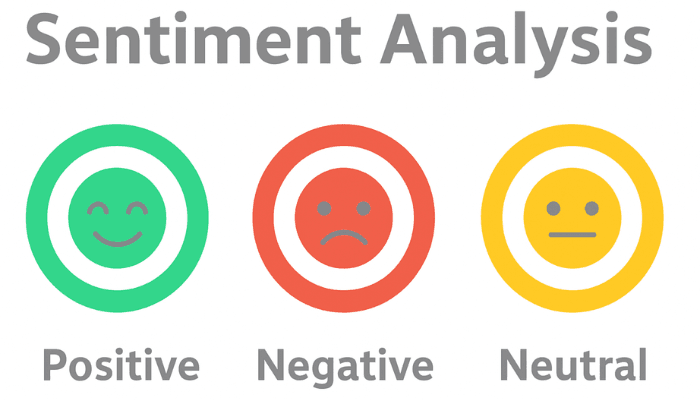
Sentiment analysis in Forex measures how traders feel about a currency or the market and uses positioning data to spot extremes. Knowing market sentiment helps you find potential turning points and confirm trade setups when combined with charts.
What is Sentiment Analysis?
Sentiment analysis looks at trader positioning and mood rather than price patterns or news alone. It answers the question: Are most traders bullish or bearish right now? If everyone is on one side of the boat, the next big move may capsize that view.
Why sentiment matters
- Markets are driven by people. When the crowd becomes extreme (too many buyers or sellers), price often reverses.
- Sentiment gives a contrarian edge: extremes can signal tops or bottoms.
- It works best as a filter, not a standalone entry signal.
Common sentiment tools & sources
- Commitment of Traders (COT) report
- A weekly report from the U.S. CFTC showing how large traders (commercials, non-commercials) are positioned in futures markets.
- Look for large shifts or extreme net positions — these often precede bigger moves.
- Retail broker sentiment
- Many brokers publish the % of clients long vs short on a pair (e.g., 85% long EUR/USD). These snapshots are useful to spot crowd extremes.
- Positioning data & futures
- Futures open interest and net positions can confirm where smart money stands.
- News & social sentiment
- Headlines, trader polls, and social chatter can push short-term moves — good to check around big events.
How to use sentiment in trading (practical steps)
- Check extremes: If retail is 90% long, be cautious about buying into strength — consider waiting for technical confirmation or a reversal setup.
- Combine with technical analysis: Use sentiment to confirm chart signals (support/resistance, breakouts). For example, a breakout with extreme retail positioning is more likely to fail.
- Spot divergences: If price makes a new high but COT/non-commercial positions don’t increase, that’s a warning sign.
- Use for risk management: If you hold a position opposite to an extreme, keep tighter risk controls or smaller size.
- Watch positioning around news: Sentiment extremes can unwind fast when big data releases occur — reduce size or widen stops if you trade news.
Limitations & cautions
- Sentiment can remain extreme for a long time — it’s not a perfect timing tool.
- Broker retail data may not represent the whole market. Treat it as a useful hint, not gospel.
- COT is weekly and delayed — use it for context, not second-by-second decisions.
Key takeaways
- Sentiment measures trader psychology and positioning.
- Extremes in sentiment often precede reversals — use them as contrarian clues.
- Always combine sentiment with technicals and strict risk rules.
- Use COT, broker sentiment, and futures positioning for the strongest signals.